Daisy Pattern Embroidery Design Review
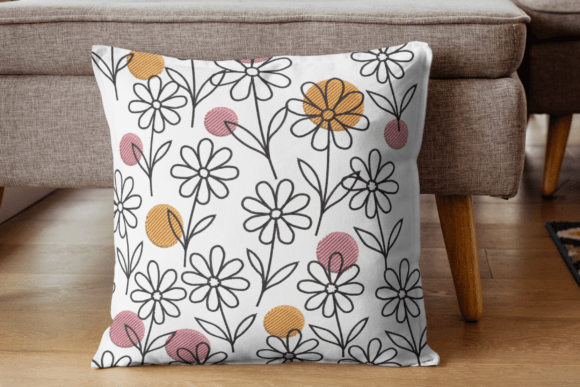
As an embroidery designer who has spent years curating files for small business owners and gift shop proprietors, I approach every new machine embroidery design with a critical eye. My goal is always to determine if a file will translate beautifully from the screen to the fabric, creating a tangible memory for the end user. Today, I am testing the Daisy Pattern Embroidery Pattern Design, a repeat pattern described as an adorable collection of outlined daisies with strategic color pops. This review explores how this specific embroidery file performs in a real-world setting, specifically for those of you running Etsy shops, crafting handmade products, or managing custom order workflows.
First Impressions: A Blend of Whimsy and Elegance
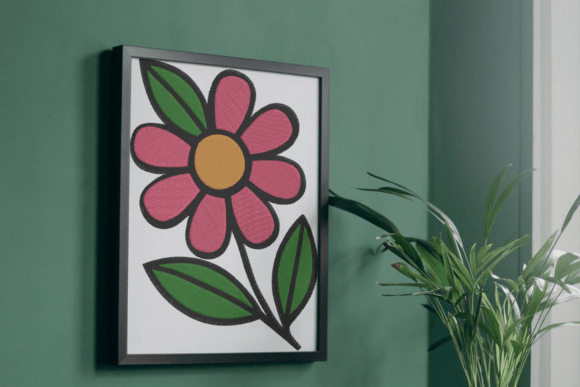
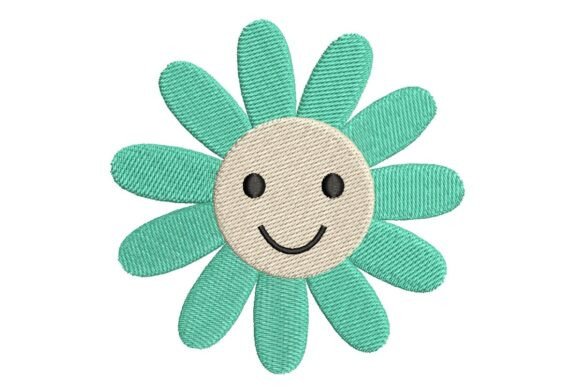
When I first loaded the Daisy Pattern Embroidery Pattern Design into my digitizing software, the mood was immediately clear. It strikes a perfect balance between playful charm and timeless elegance. The use of outlines rather than heavy fill stitches gives the design an airy, modern feel that avoids looking cluttered. For anyone selling Single Flowers themed items, this design stands out because it feels less like a generic clip-art application and more like a hand-drawn illustration brought to life by thread.
The "color pops" mentioned in the description are not just decorative; they serve as focal points that draw the eye across the repeat. This makes the pattern incredibly versatile. Whether you are aiming for a sweet, nursery-appropriate aesthetic or a sophisticated, spring-inspired look for home decor, the emotional appeal is strong. It evokes feelings of nostalgia and freshness, which are key drivers for customers seeking a meaningful personalized gift. In the world of digital sales, a design that triggers an immediate emotional connection can significantly boost buyer engagement and perceived value.
Ideal Applications for Personalized Gifts and Home Textiles
One of the most exciting aspects of this embroidery pattern is its adaptability across various product categories. As I planned potential applications, several standout ideas emerged for Etsy sellers and craft fair vendors:
- Baby Embroidery and Nursery Decor: The soft outlines make this perfect for baby blankets and crib skirts. Unlike dense floral fills that can be scratchy against delicate skin, the outlined nature of these daisies allows the fabric texture to remain breathable. It is an excellent choice for blanket embroidery where comfort is paramount.
- Kitchen and Home Linens: Imagine a set of kitchen towels or an apron featuring this repeat pattern along the hem. The cheerful vibe fits perfectly with spring-themed collections. An embroidered towel with these daisies instantly elevates a standard cotton item into a premium, handmade product.
- Wedding Keepsakes and Bridal Party Gifts: For wedding gifts, this design offers a romantic yet fresh alternative to traditional roses. It works beautifully on pillow covers for bridesmaids or as a subtle border on guest books. The wedding gift market often looks for designs that feel personal without being overly formal.
- Fashion Accessories: The product description notes its suitability for T-shirts, jackets, and denim. I envision this pattern repeated across the back of a denim jacket or down the side of a tote bag. For custom embroidery on apparel, the outline style ensures the design doesn't add unnecessary bulk to stretchy fabrics.
For small shop product lines, having a repeat pattern like this allows you to create cohesive collections. You can offer matching sets—perhaps a tote bag, a pillow cover, and a tea towel—all unified by the same charming motif. This consistency helps build brand recognition and encourages customers to buy multiple items.
Navigating Fabric Challenges and Technical Considerations
While the Daisy Pattern Embroidery Pattern Design is versatile, experienced designers know that not all fabrics play nicely with every file. To ensure your finished product maintains high quality, there are specific areas where caution is required.
Fabric Texture and Thickness: While the design works well on smooth cottons and denim, using it on very thick towels or heavily textured fabrics requires careful consideration. If the fabric pile is too high, the fine outlines of the daisies might get lost. Always test on a scrap piece of the actual material you intend to sell. Similarly, on dark fabrics, the white or light-colored outlines may require a backing layer or a different thread strategy to ensure visibility.
Stitch Density and Stabilizer: Because this is an outlined pattern, the stitch density is generally lower than filled flowers. However, on stretchy baby clothes or curved surfaces like the top of a hat, you must use the proper stabilizer. Without adequate support, the hoop tension could distort the daisy shapes, making them look uneven. Always confirm the recommended hoop size before starting a production run. If the design is intended for a large area, such as a full blanket, you will need to plan your layout carefully to avoid running out of space or creating awkward gaps in the repeat.
Small Details and Lettering: If you plan to add names or dates alongside the daisies, be mindful of the scale. Small lettering combined with intricate floral details can sometimes lead to thread breaks or registration issues. It is often better to keep the text simple and larger to complement the delicate nature of the flower outlines.
Boosting Perceived Value and Customer Trust
In the competitive marketplace of digital embroidery files and handmade goods, the quality of your stitching speaks volumes about your brand. Using a well-designed pattern like the Daisy Pattern Embroidery Pattern Design enhances the overall look of your finished product. When a customer receives a gift with crisp, clean lines and vibrant color accents, their trust in your craftsmanship increases. This perceived value allows you to price your items higher than mass-produced alternatives.
Photography plays a crucial role here. When taking photos for your listings, highlight the texture of the thread against the fabric. Show close-ups of the color pops to demonstrate the detail level. For printable mockup purposes, this design renders beautifully, allowing you to showcase potential products even before you have stitched them. This capability is invaluable for commercial embroidery businesses that need to present options to clients quickly.
Practical Steps Before Your First Production Run
Before you commit to selling items featuring this design, follow these practical steps to ensure success:
- Test on Scrap Fabric: Never skip the test stitch. Verify how the thread colors interact with your specific fabric shade.
- Check Thread Color Contrast: Ensure the outlines stand out clearly. If the contrast is too low, the design may appear muddy.
- Review Stitch Density: Look at the back of the test stitch. There should be no excessive thread buildup, especially if the item will be washed frequently.
- Confirm Commercial Licensing: As a seller, you must verify the licensing terms of the embroidery file. Ensure you are permitted to sell the finished physical goods. If you are selling the digital file itself, check the redistribution rights.
- Compare Light and Dark Mockups: Visualize how the design looks on both light and dark backgrounds to expand your product range.
The Daisy Pattern Embroidery Pattern Design is a delightful addition to any designer's library. Its blend of simplicity and charm makes it a reliable choice for creating memorable handmade products. Whether you are crafting a one-of-a-kind personalized gift or building a seasonal collection for your online store, this pattern offers the flexibility and aesthetic appeal needed to captivate customers. By paying attention to fabric choices and technical execution, you can turn this lovely digital file into a cornerstone of your embroidery business.