Fish Machine Embroidery Design Review
As a designer who has spent years navigating the delicate balance between digital art and physical thread, I approach every new machine embroidery design with a critical eye. The market is flooded with generic patterns, but finding a piece that truly translates well from screen to fabric is rare. Today, I am evaluating the Fish Machine Embroidery Design by Jaxtonandjill. This isn't just about looking at a preview image; it is about understanding how this whimsical motif will behave under the needle, how it will hold up in a finished product, and whether it adds genuine value to your craft business or personal projects.
First Impressions: Whimsy Meets Nautical Charm
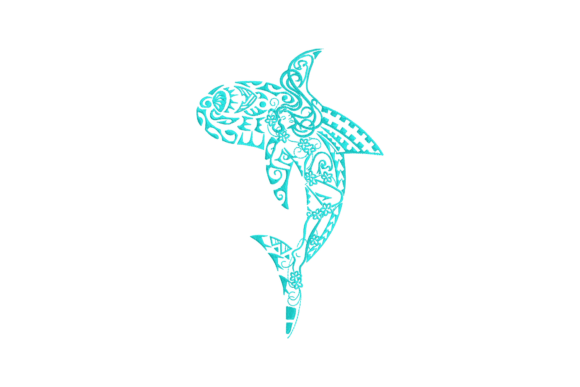
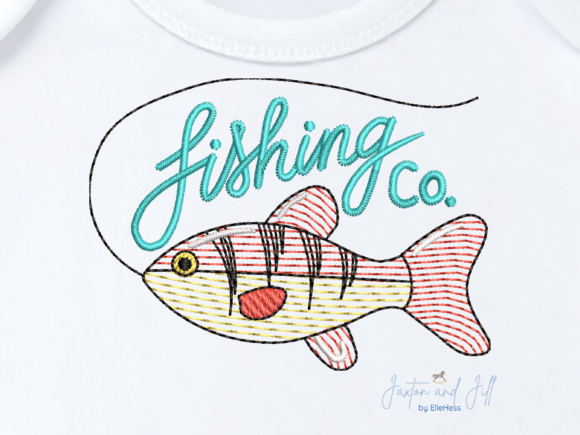
When I first loaded the file into my digitizing software, the visual personality of the design immediately stood out. It captures that specific blend of charm and playfulness described in its profile, making it an excellent candidate for nautical, fishing, or summer-inspired creations. The shape is organic and fluid, avoiding the rigid, blocky look that plagues many lower-quality embroidery files. For a tote bag design or a casual summer tee, this level of detail suggests a handmade aesthetic that customers love. It feels less like a mass-produced logo and more like a curated piece of art, which is exactly what elevates a simple item into a premium handmade product.
The layout is balanced, allowing for natural movement in the stitches. Whether you are planning a personalized gift for a fisherman or creating inventory for a beach-themed boutique, the visual weight of the fish is substantial enough to be seen from a distance but detailed enough to reward close inspection. This duality is crucial for Etsy sellers and small shop owners who rely on high-quality photography to drive sales.
Real-World Application: From Hoop to Home
To truly test the viability of the Fish Machine Embroidery Design, I visualized a specific project: a custom embroidered canvas tote bag for a local coastal gift shop. In this scenario, the design would serve as the focal point on a neutral beige background. The contrast provided by vibrant thread colors—perhaps a deep ocean blue or a sunny coral—would make the whimsical nature of the fish pop against the textured fabric.
This design excels in scenarios where character is key. Imagine applying it to a sweatshirt embroidery project for a fishing tournament fundraiser. The playful style fits perfectly with the relaxed atmosphere of such events. Alternatively, consider using it for baby embroidery on a soft cotton onesie or a nursery pillow cover. The rounded edges and friendly expression of the fish make it safe and appealing for children's items, avoiding any sharp or aggressive angles that might feel out of place in a nursery.
For those running a craft business, this design offers versatility. It can be used as a standalone statement on a kitchen towel or tea towel, adding a splash of color to a home kitchen. It also works beautifully as part of a larger composition, perhaps paired with other marine life elements to create a cohesive collection for a summer catalog. The ability to adapt to various contexts—from holiday gifts to everyday apparel—is a strong indicator of a high-quality asset.
Navigating Technical Challenges and Fabric Choices
While the aesthetic appeal is high, practical application requires careful consideration of materials and technique. One area where designers must exercise caution is with textured fabrics. If you plan to use this design on a heavy denim jacket or a thick wool sweater, the intricate details of the fish might get lost in the weave. The stitch density needs to be sufficient to cover the fabric without sinking in, so testing on a scrap piece of the actual material is non-negotiable.
Similarly, working with stretchy fabrics like jersey knit requires the right stabilizer. Without adequate support, the tension of the embroidery could cause the fabric to pucker around the fish, ruining the smooth silhouette. For curved surfaces like caps or hats, ensure the design is positioned correctly to avoid distortion. While the Fish Machine Embroidery Design is flexible, extreme curvature can alter the perception of the shape, making the fish look skewed rather than swimming gracefully.
Dark fabrics present another challenge. To maintain the clarity of the design on black or navy backgrounds, you may need to adjust the backing or add a layer of underlay to prevent the dark threads from showing through lighter fill areas. Always review the running stitch and fill stitch distribution in your software before committing to expensive thread and fabric. A quick printable mockup in black and white can help you spot potential issues with contrast and visibility before you even thread your machine.
Practical Designer Notes for Success
- Test First: Always run a test on scrap fabric to check how the hoop size accommodates the design and to verify that the stitching flows smoothly.
- Check Density: Ensure the stitch density is appropriate for your chosen fabric. Too dense, and the fabric stiffens; too loose, and the design lacks definition.
- Color Contrast: Select thread colors that complement the background fabric. High contrast often leads to better visual impact and perceived quality.
- Stabilizer Selection: Use the correct type of stabilizer for your project. Cut-away is best for knits, while tear-away works well for wovens.
- Licensing Check: Before selling finished products or offering this as a digital embroidery file for others to download, confirm the licensing terms with Jaxtonandjill. Understanding commercial rights is vital for any small business owner.
Impact on Brand and Customer Perception
Ultimately, the choice of design influences customer trust and brand consistency. When a client receives a custom apparel item featuring a well-executed Fish Machine Embroidery Design, they see attention to detail. The clean lines and thoughtful execution signal professionalism. In contrast, a poorly stitched design with broken threads or uneven fills can damage your reputation as a maker.
For commercial embroidery projects, such as branding for a boat rental company or a seafood restaurant, this design offers a unique angle. It moves away from corporate sterility and embraces a friendly, approachable vibe. This kind of visual storytelling enhances buyer engagement and makes the product more memorable. Whether it is a personalized gift for a loved one or merchandise for a small shop product line, the emotional connection created by a charming design is invaluable.
In conclusion, the Fish Machine Embroidery Design is a robust tool for creatives looking to add a touch of nautical whimsy to their portfolio. By respecting the technical requirements of the medium and choosing the right applications, you can transform this digital asset into a stunning physical reality. As always, take the time to prepare, test, and refine your process to ensure every stitch counts.