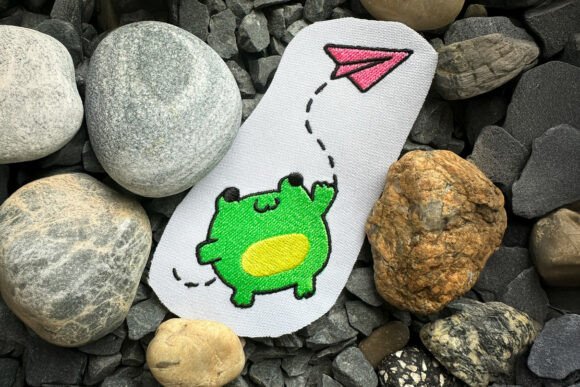
Summer Frog Machine Embroidery Design Review
As a professional embroidery designer who has spent years translating digital files into tangible brand assets, I approach every new machine embroidery design with a critical eye. My focus is not just on whether a pattern looks cute, but whether it can survive the rigors of commercial production while elevating a small business's image. Today, I am reviewing the Summer Frog Machine Embroidery Design, a file described as a "cute frog catching paper plane." While the description promises a "funny" and "awesome" result, my job is to determine if this playful concept translates effectively into high-quality merchandise for boutiques, cafés, and creative studios.
First Impressions: Playful Charm Meets Brand Potential
At first glance, the concept of a frog catching a paper plane offers a distinct visual personality. It feels whimsical, modern, and undeniably friendly. In the crowded marketplace of small business merch, designs that evoke joy and nostalgia often stand out. The imagery suggests movement and creativity, making it an excellent candidate for brands in the Nursery sector, children's apparel, or creative agencies looking to soften their corporate edge. However, the transition from a digital preview to a physical finished product requires careful consideration. Does the design feel premium enough for a boutique, or does it lean too heavily into the decorative? For a handmade brand, the answer is likely yes; the rustic, charming aesthetic aligns perfectly with the values of authenticity and craft.
Evaluating Performance in Real Business Applications
When we move beyond the screen to real-world application, the versatility of the Summer Frog Machine Embroidery Design becomes apparent. This is not merely a decoration; it is a potential cornerstone for various branding strategies.
- Embroidered Patches: This design is ideally suited for creating custom woven or embroidered patches. A patch featuring the frog catching a plane can serve as a detachable logo for denim jackets, backpacks, or tote bags, allowing customers to personalize their gear.
- Staff Uniforms and Aprons: For a local café or bakery, placing this design on the chest of an apron adds a touch of warmth that generic logos lack. It humanizes the staff and creates a memorable interaction point for customers.
- Cap Embroidery: The compact nature of the subject matter makes it a strong contender for cap fronts. A small, well-executed version of the frog can act as a subtle yet effective brand marker on promotional headwear.
- Tote Bag Design: On canvas tote bags, the design can be scaled up to become the focal point. The contrast between the organic shape of the frog and the geometric lines of the paper plane works beautifully on natural fabrics.
- Product Packaging Accents: Even beyond apparel, this digital embroidery file can be used to create branded fabric tags or labels for handmade products, adding a tactile element that printed tags cannot match.
In the context of commercial embroidery, the ability to adapt this design across different mediums—from event merch to Etsy branding—makes it a valuable asset. It encourages buyer engagement by offering a visual story rather than just text.
Critical Considerations for Production
Despite its charm, the Summer Frog Machine Embroidery Design requires specific attention during the digitization and stitching process to ensure professional results. As a designer, I must advise caution in several areas to maintain brand integrity.
Stitch Density and Detail
The description mentions the design is "just awesome," but in machine embroidery, "awesome" details can sometimes lead to excessive stitch density. If the frog's eyes or the folds of the paper plane are too intricate, they may collapse when stitched on thinner fabrics like t-shirts or caps. High stitch density can cause puckering, which ruins the look of custom apparel. It is crucial to test the file to ensure the outlines remain crisp without overwhelming the fabric texture.
Scaling and Hoop Size
One of the biggest challenges with character-based designs is scaling. While the design might look perfect at 4 inches, shrinking it down for a small cap front or a tiny label can blur the details. You must verify the minimum viable size before committing to production. Additionally, confirm the required hoop size. If the design requires a large hoop, it limits the types of garments you can embroider, such as pre-sewn hats or sleeves.
Fabric Texture and Color Contrast
The success of this design also depends on the background material. On dark uniforms, the light colors of a frog and paper plane will pop, but you must ensure the backing stabilizer is sufficient to prevent shadowing. Conversely, on textured fabrics like heavy canvas or fleece, fine details might get lost. Always review the thread colors against your specific fabric swatch to guarantee visibility and contrast.
Impact on Brand Identity and Customer Trust
Choosing the right design assets is a strategic decision that influences how customers perceive your brand. The Summer Frog Machine Embroidery Design projects an identity that is approachable, creative, and detail-oriented. When executed correctly, it signals to the customer that the business cares about quality and aesthetics. A poorly stitched, pucker-filled patch, however, can damage brand identity and erode trust instantly.
For handmade brands, the use of embroidery over screen printing adds perceived value. Customers are willing to pay more for items that feel unique and durable. By incorporating this design into your product line, you enhance the tactile experience of the purchase. It transforms a standard item into a collectible piece of art, fostering deeper loyalty and recognition.
Practical Designer Notes for Implementation
To ensure the Summer Frog Machine Embroidery Design performs flawlessly in your business, follow these professional guidelines:
- Test in Black and White First: Before investing in expensive threads, run a test stitch using black thread on a scrap piece of the actual fabric. This reveals any issues with spacing, density, or underlay without wasting color changes.
- Check Small Patch Sizes: If you plan to use this for small accessories, scale the design down incrementally until the details begin to merge. Stop there; that is your minimum limit.
- Inspect Spacing and Stabilizer: Ensure there is adequate space between the frog and the plane to allow the needle to move freely. Use the appropriate stabilizer for your fabric type to prevent shifting during stitching.
- Create a Mockup for Client Approval: Never skip the mockup stage. Generate a realistic printable mockup showing the design on the intended garment. This manages client expectations and prevents costly rework.
- Compare Design Assets: Place this design next to other elements in your brand kit. Does the style of the frog complement your typography and other graphics? Visual consistency is key to a cohesive brand.
- Confirm Commercial Licensing: Although the description states this is an embroidery file for instant download, always double-check the license terms. Ensure you have the rights to use this design for commercial embroidery and resale on merchandise.
In conclusion, the Summer Frog Machine Embroidery Design is a versatile and engaging option for businesses looking to inject personality into their products. Whether used for apron embroidery, tote bag design, or as a distinctive patch, its potential is significant. However, its success relies on thoughtful execution. By adhering to best practices in testing, scaling, and licensing, you can turn this cute concept into a profitable and professional addition to your brand's visual language.